
The Neuroscience of Tapping Out: What Happens in the Brain Before You Quit
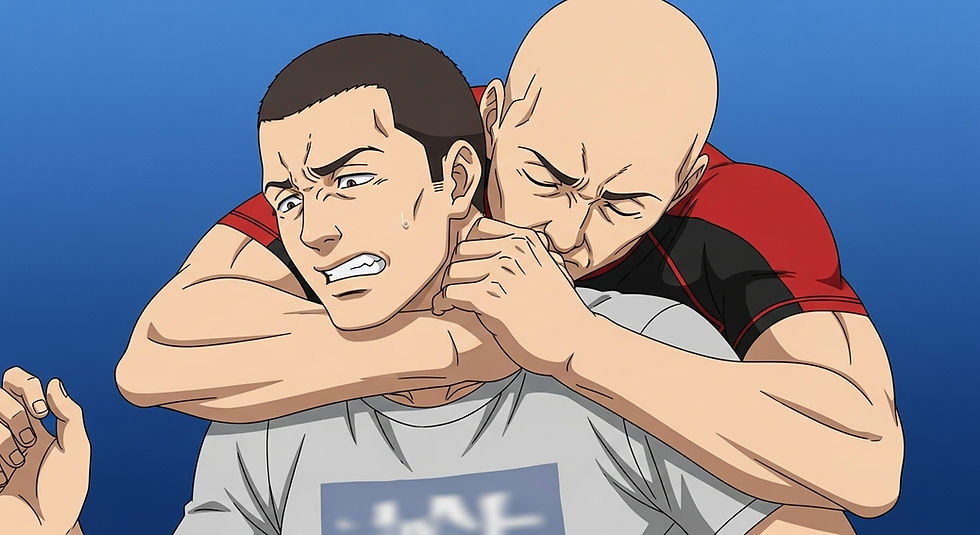
That moment when you're caught in a tight submission—your brain is going absolutely crazy. Way more than you realize. While you're consciously thinking "Should I tap or fight this?", your brain is running a full-scale emergency response that would make a NASA mission control room look calm.
Your Brain's Panic Button Gets Smashed
The second someone starts sinking in that rear naked choke or cranking that armbar, your brain's alarm system goes off faster than you can blink. We're talking about reactions that happen in less than a twentieth of a second—your brain literally screams "DANGER!" before you've even consciously realized you're in trouble.
This isn't a rational response. Your primitive brain doesn't know the difference between a lion attacking you and getting caught in someone's guard. It just knows something bad is happening, and it floods your system with every alarm bell it has.
Fight, Flight, or... Freeze?
Everyone knows about fight-or-flight, but there's a third option your brain might choose: freeze. This is where things get weird. Sometimes when the pressure gets intense, your brain essentially hits the "shut down" button. Your heart rate drops, you might feel like you're watching yourself from outside your body, and decision-making becomes nearly impossible.
Some grapplers describe feeling completely detached during intense submissions—like they're watching a movie of themselves getting choked. That's your brain trying to protect you by basically checking out of the situation entirely.
Your Ego Has Its Own Brain Real Estate
Here's something wild: your ego isn't just in your head psychologically—it actually lives in a specific part of your brain. When you're about to tap, this area goes into overdrive trying to protect your identity as a fighter.
Your brain literally treats tapping out like social rejection or failure. The same neural pathways that fire when you get dumped or fired from a job are lighting up when you're deciding whether to tap. No wonder it feels so terrible—your brain is processing it as genuine pain.
Chemical Chaos in Your Head
The moments before tapping are like a drug cocktail your brain makes itself. First, you get a hit of dopamine (your motivation chemical) as your brain desperately searches for escape routes. This creates tunnel vision and can lead to either brilliant escapes or terrible decisions.
At the same time, adrenaline dumps into your system like someone opened a fire hydrant. Your heart pounds at 180+ beats per minute, and time slows down. Those three seconds before you tap can feel like three minutes.
But as the submission tightens and you realize you might not escape, everything crashes. The motivation chemicals plummet while stress hormones flood in. That little voice saying "just tap" gets chemically louder while the "never give up" voice gets quieter.
The Split-Second Math Problem
When you finally decide to tap, your brain just solved an incredibly complex math problem in milliseconds. It weighed:
How much this actually hurts vs. how much it might hurt
How much oxygen you have left
What tapping will do to your reputation
Whether you trust your training partner to let go
Every similar situation you've been in before
Elite grapplers get better at this calculation. They can tell the difference between "this is uncomfortable" and "this will injure me" faster and more accurately than beginners.
Why Some People Tap Early, Others Tap Late
Your tapping threshold isn't about toughness—it's about brain training. People who tap "early" often have brains that prioritize long-term thinking over short-term pride. People who tap "late" might have brains that weigh ego preservation more heavily, or they might have trained their alarm systems to be less sensitive.
Neither is necessarily better. Going out unconscious because you won't tap isn't brave—it's just your brain making different calculations about risk and reward.
Training Your Tapping Brain
The good news? You can actually train your brain to handle submissions better. Regular exposure to being caught in submissions literally rewires your panic response to be less intense. Breathing techniques help keep your thinking brain online when the panic starts.
Mental rehearsal and visualization work too. Grapplers who mentally practice dealing with submissions show less stress response and make better decisions when it actually happens.
The Smart Tap
Here's the bottom line: tapping isn't weakness—it's your brain doing incredibly sophisticated survival math under extreme pressure. Your brain is running millions of calculations to keep you safe and functional.
The decision to tap represents some of the most complex thinking your brain can do, all while someone is literally choking you or trying to break your arm. That's not failure—that's advanced human neurology working exactly as designed.
Next time you tap, remember: your brain just made one of the most complex decisions possible while under maximum stress. Sometimes the smartest move is to live to fight another day. Your brain knows this, even when your ego doesn't want to admit it.
In jiu-jitsu, like in life, intelligence isn't about never quitting—it's about making smart decisions when the pressure is on.
If you’re ready to dive into the world of authentic Brazilian Jiu-Jitsu training, consider visiting The Jiu-Jitsu Foundry at 72-C, Jalan SS21/62, Damansara Utama, Petaling Jaya, WhatsApp 011-11510501. Embrace the challenge, improve your skills, and discover how Brazilian Jiu-Jitsu can transform your martial arts journey!
Be good!


Comments